What this compares
Almost every dishwasher pod on a US shelf is held together by a thin clear film of polyvinyl alcohol. Almost every brand that has taken that film out says so on the front of the box. Between those two facts sits a category that is easy to compare on paper and hard to compare in a kitchen, and this page does the paper half properly rather than pretending to have done the other half.
We took seven products, six of them from brands that sell themselves on being lower tox, and read each one on six things any reader can check from a product page inside a minute: whether the full ingredient list is published, what that list holds once it is read against our watch list, whether the product puts polyvinyl alcohol in the wash and whether it admits it, what a wash costs, what the packaging is made of, and which third-party marks the product carries. The order that follows is our judgement of those readings rather than a total we added up, and nothing in it turns on how clean the dishes come out. We have not washed any.
What we found
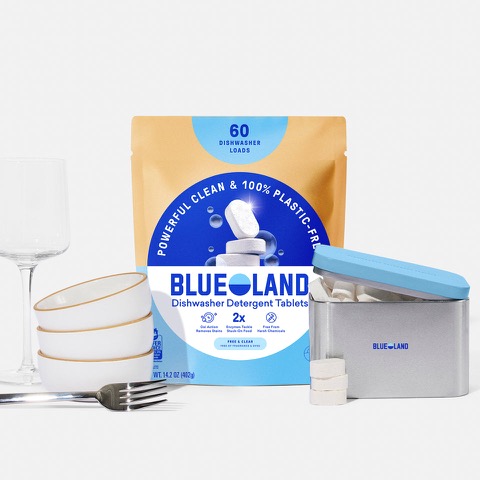
Blueland has the strongest paperwork in this table, and it is worth saying so first. Of the products that can be placed, its published list is the only one the watch list catches nothing in: no fragrance entry and no polymer, just carbonates, percarbonate, enzymes and a cellulose binder[3]. The Ecover list, which takes no card on this page, now comes through clean as well. The full list is on the product page, there is no film of any kind, the refills arrive in paper into a steel tin you keep, and the certification stack is the heaviest here, EPA Safer Choice and Cradle to Cradle among them. Cost is where it gives ground: $0.38 a wash, and two products in the table cost less.
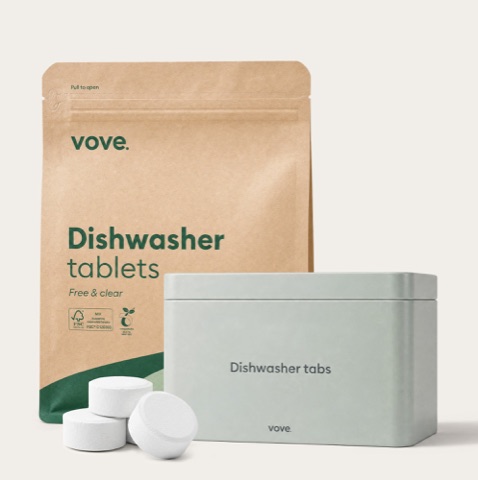
Our own tablets hold the top card on this page, and the two things that argue against them are worth printing plainly on a site Vove owns. The carton matches Blueland on the ingredient list and on the absence of film, and it is $0.31 a wash against $0.38[1]. Its published list now comes through the watch list clean: PDMS, the anti-foam, stopped matching when the silicones entry narrowed to the ECHA-restricted cyclic species on 26/08/2026, a change the methodology dates and explains. The PEG 8000 binder stood beside it until 25/08/2026, when the watch-list entry for PEG and ethoxylated compounds was retired for every product at once, and on 26/08/2026 the narrowed silicones entry cleared the anti-foam as well. What still separates the two is certification: a single FSC mark on the carton, with two products here carrying more. The same tablet in the steel tin follows the carton at $0.43 a wash, the tin being the whole of the difference. We put the carton first because the list is published in full, nothing but detergent dissolves into the wash and the wash is the cheapest here, and a reader who puts certification above all of that should take Blueland instead.
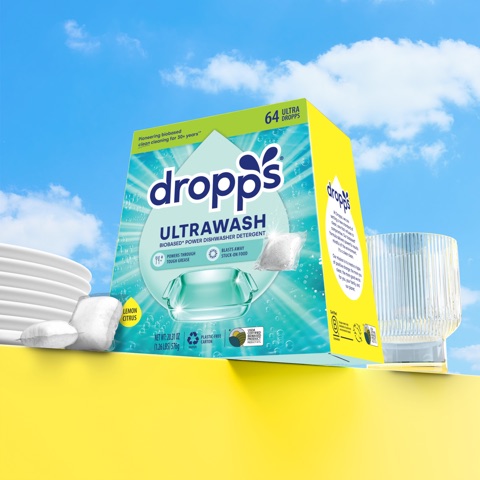
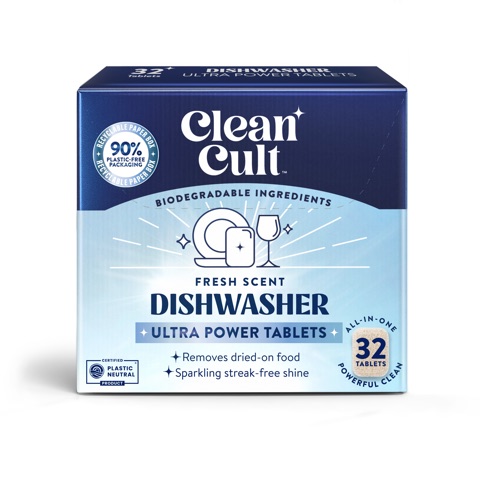
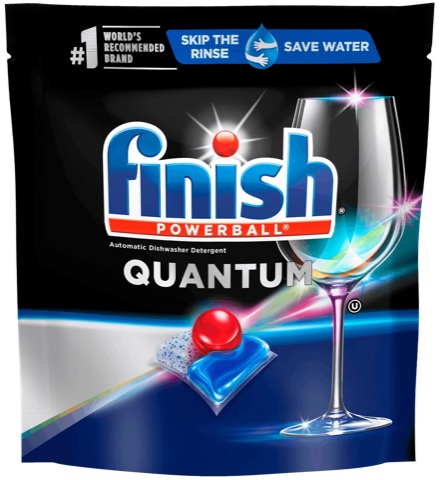
Read against the watch list, this category splits three ways. Blueland and Ecover, which takes no card here, carry nothing from either tier, Ecover having joined it on 25/08/2026 when the watch-list entry for PEG and ethoxylated compounds was retired. Dropps carries lower-tier entries only, declared fragrance materials; our list stopped matching on 26/08/2026, when the silicones entry narrowed to the ECHA-restricted cyclic species. Cleancult and Finish carry an upper-tier entry, and in both cases it is the same one, a bare Fragrance with no components named anywhere on the page, sitting beside an acrylic polymer in each list. That reading is the one we lean on hardest, and it is most of the reason Cleancult sits at the bottom of our order despite a $0.33 wash that only the Vove carton beats.
The polyvinyl alcohol question is not settled, and we are not going to settle it here. A 2021 Arizona State University study estimated that a large share of the PVA entering US wastewater treatment from detergent pods survives it[9]; that study was funded by a competing format and has been disputed. The US EPA, meanwhile, keeps detergent-grade polyvinyl alcohol on its Safer Choice list of lower-concern ingredients[10]. Both things are true at once. So the question we put to each page is the narrow one, which has an answer: does the product contain the film, does the product page say so, and does the film come home as packaging.
On the first of those, Cleancult fails plainly. The page describes the tablets as wrapped in “a plastic free dissolving film”, and the ingredient list further down that same page ends “Polyvinyl Alcohol Film”[5]. Both were on the page on 14/08/2026. The list itself is complete and published, so the film is not hidden. What happens instead is that a shopper reading the marketing line and a shopper reading the ingredient list come away with opposite beliefs about the same product. That is the contradicted band on ingredient transparency, and because a film around every tablet is a wrapper as well as an ingredient, the packaging read goes down with it. It is why Cleancult sits where it does despite a $0.33 wash that only the 120-tablet Vove carton beats.
Dropps does the same thing the other way round. Its film is polyvinyl alcohol, its ingredient list says so in as many words, and the page states it plainly rather than working around it[4]. That earns the middle band on PVA rather than the bottom one, and the top band on transparency, and it still carries the same packaging penalty for a film on every pod, which is what keeps it below the film-free tablets here.
Finish is the incumbent and the most awkward thing here to place. Reckitt publishes a complete ingredient list with a stated function for every entry, polyvinyl alcohol included, its function given as “Dissolvable Film”, though it lives on a SmartLabel page rather than the product page[7]. The product page sells the tabs as wrapper free[8], which refers to the outer sleeve other brands wrap around each tab, not to the film. Each statement is accurate on its own. Read together on the page a shopper actually lands on, they are not.
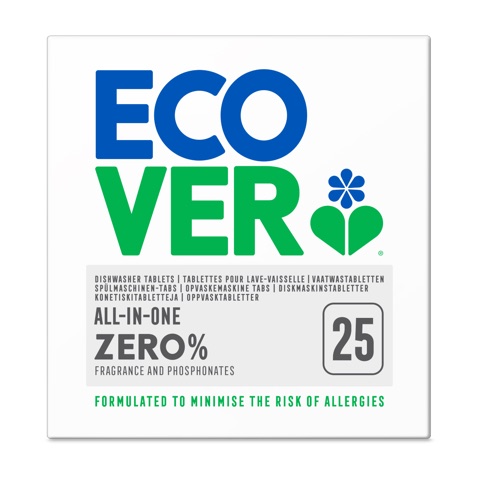
Ecover is in the table with two blank cells, and we would rather explain them than leave them unexplained. The brand no longer runs a US shop: the US product URL, ecover.com/en/us and us.ecover.com all redirect to the UK site[6]. With no US brand price for the ZERO tablets, there is no cost per wash to print, so the product keeps its facts in the table and stays out of the ranking rather than being placed on a row nobody published. One thing worth knowing if you go looking: Ecover’s standard all-in-one tablets do list polyvinyl alcohol. The ZERO and wrapper-free lines do not.
A name that appears in most low-tox dishwasher roundups has no column here. Meliora does not make a dishwasher detergent. Its full catalogue, pulled from the store feed on 14/08/2026, is laundry powder, oxygen brightener, dish soap bars, scrub powder, all-purpose cleaner, hand soap tablets and body bars[11]. Nothing to compare, so nothing to print.